
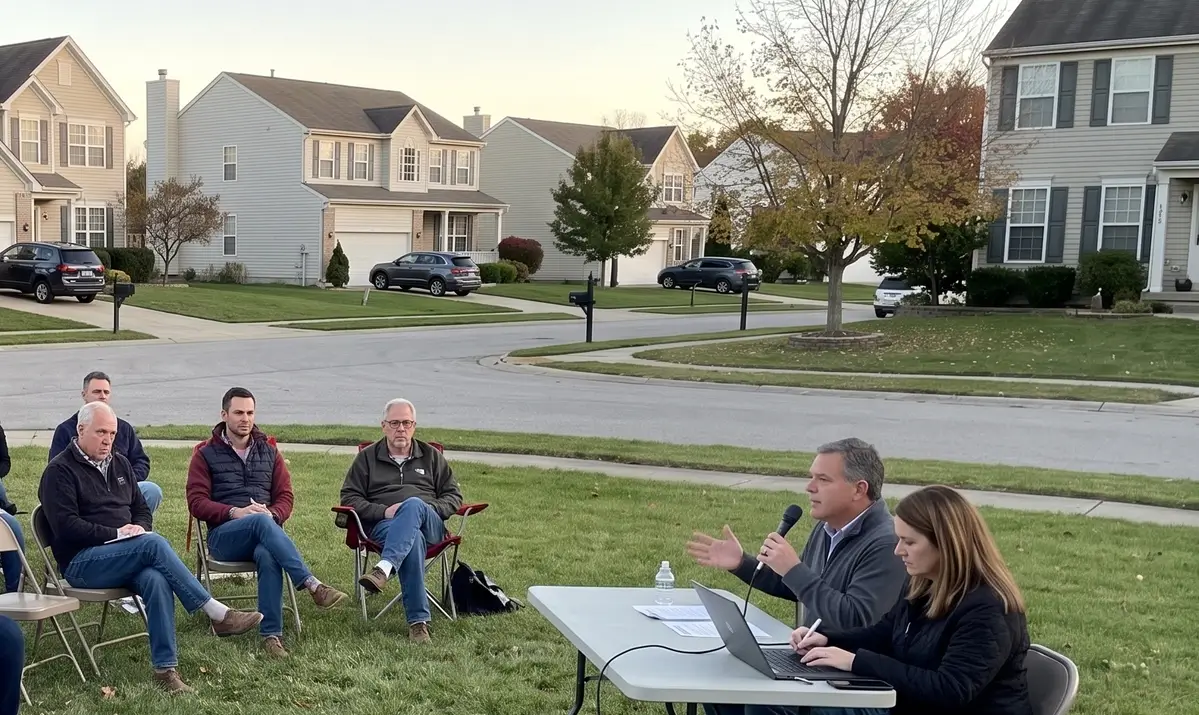
A volunteer juggling a financial report over morning coffee, a fence complaint during lunch, and a landscaping contract after the kids are in bed already has a full plate before a special assessment notice adds to it. That kind of workload shows up constantly in conversations about long lists of board duties piling up on Hill Country volunteers, and it’s part of why so many Spring Branch communities feel blindsided when a major repair bill finally surfaces. Aging well and septic infrastructure, rising insurance costs, and limited local contractor availability are combining in ways that flat dues were never built to absorb.
This guide breaks down what’s driving the increase locally and what boards can do before the next vote.
Key Takeaways
- Reserve studies written years ago rarely account for how fast rural water systems age under current demand.
- Hill Country communities depending on wells and septic systems face unique infrastructure cost pressures.
- A deferred repair almost always comes back as a far more expensive emergency.
- Transparent, frequent reporting helps owners accept an assessment instead of resisting it.
- Past enforcement decisions shape how residents respond when a new financial request arrives.
Why Reserve Studies Fall Behind Rural Infrastructure Realities
Many Spring Branch communities rely on shared wells, septic systems, or private roads instead of municipal utilities, and most reserve studies underestimate how expensive these systems become once they age past their original design life.
A few factors explain why this happens:
- Well pump and filtration system replacements cost more as rural contractor availability stays limited.
- Septic field repairs often require specialized equipment that isn’t readily available in less populated areas.
- Insurance premiums climb annually, tied partly to regional claims and partly to rebuilding costs.
- Dues set years ago stay flat while actual repair costs climb every single budget cycle.
Owners and investors often ask why dues keep rising even without an obvious project underway, and the honest answer usually traces back to this widening gap. Communities that have worked through the dynamics in maintenance actually getting done tend to recognize this pattern sooner, since stalled projects often mask a deeper funding shortfall.
How Limited Contractor Access Pushes Costs Higher
Hill Country associations face a cost pressure that’s distinct from urban Texas metros: limited access to specialized contractors for rural infrastructure work. A few patterns show up consistently:
- Fewer licensed well and septic contractors serve rural areas, extending wait times and driving up rates.
- Master insurance policies covering shared infrastructure renew at rates well above the previous term.
- A lapse in coverage creates real liability rather than meaningful savings, since governing documents require it.
- Associations without a reserve cushion pass these increases directly to owners.
The median special assessment reached $1,100 per door in 2025, and in rural communities with limited contractor competition, that figure often runs higher once specialized repair work factors into the equation.
A Real Example: What Happens When a Community Well System Gets Delayed
A small neighborhood near Spring Branch illustrates how quickly a manageable repair can spiral once pushed back repeatedly.
Two Dry Seasons of Warning Signs
The association’s reserve study flagged declining well output and aging filtration equipment two budget cycles in a row. The board held off addressing it fully both times, concerned that owners already dealing with rising property taxes wouldn’t welcome another increase. The board president at the time later admitted he didn’t feel confident bringing it up again so soon.
The Bill That Followed
An extended drought pushed the well system past its breaking point, cutting water pressure to several homes and triggering a boil-water notice. The emergency repair came in well above what a planned system upgrade would have cost a year earlier, and the board had no option left except a special assessment due within 30 days, leaving little room to negotiate contractor pricing under that kind of urgency.
Thin Reporting Makes Every Assessment Harder to Defend
Boards earn owner trust through steady, itemized reporting rather than a single explanation delivered after a problem has already escalated. A few warning signs tend to surface before a funding gap becomes a surprise bill:
- Monthly financial statements arrive late or get skipped for a cycle or two.
- Reserve balances get mentioned verbally at meetings but never appear in writing.
- Vendor invoices show up that weren’t part of any earlier budget discussion.
- The same financial questions get asked repeatedly because the numbers were never explained clearly the first time.
Communities working through the situation described in reporting that doesn’t guarantee agreement often discover that accurate numbers alone rarely resolve disagreement; timing and clarity matter just as much. Insurance pressure tells a similar story elsewhere too. Florida homeowners now pay an average of $2,691 a year for property coverage, a figure that’s climbed nearly 50 percent since 2020. Different regions face different infrastructure risks, but reserves tend to absorb similar pressure either way.
Enforcement History Shapes How Owners Respond
Special assessments land hardest in communities where owners already feel excluded from board decisions. Associations leaning on rigid, mechanical enforcement tend to see that frustration resurface the moment a financial request arrives.
That resistance usually follows a familiar pattern:
- Owners question the math even when the calculations are sound.
- Meeting attendance spikes and conversations grow tense quickly.
- Unrelated rule disputes from months earlier resurface during the vote.
- Some residents delay payment simply to register frustration with the board’s general approach.
A homeowner who already feels unheard rarely extends patience to a large bill, and she typically says so at the next meeting. Communities working through the dynamics in standards meeting everyday reality often find that same frustration resurfaces during assessment season.
Practical Steps for Spring Branch Boards
How a board prepares before a vote usually matters more than the final dollar figure. A short list of moves can reduce both the size of an assessment and the resistance that follows:
- Pull the current reserve study and compare it against actual account balances rather than relying on memory.
- Request updated contractor bids instead of leaning on pricing from a few years back.
- Review delinquency rates closely, since unpaid dues often widen the shortfall further than expected.
- Share the full reasoning with owners well before the vote, not after the notice is mailed.
- Put routine compliance walkthroughs on the calendar so well systems, septic fields, and small violations get caught while they’re still inexpensive to address.
Boards navigating that kind of pressure often lean on resources built for board members to understand their options before a vote locks them in.
FAQs about HOA Special Assessments in Spring Branch, TX
What role does a hydrogeological survey play before a community invests in a new well?
A survey helps determine groundwater availability and quality in the area, which prevents an association from spending heavily on a well system that may not meet long-term water demand reliably.
Do private road repairs in HOA communities qualify for any county or state funding assistance?
Rarely, since most private roads fall outside public maintenance responsibility. Associations typically bear the full cost themselves, which is part of why reserve planning matters so much here.
How do lenders typically view a property in an HOA with a recent special assessment history?
Lenders may scrutinize the association’s financial health more closely during underwriting, since recurring assessments can signal deeper reserve problems that affect the long-term value of the property.
Can a homeowner request an independent inspection before agreeing to pay a special assessment?
Some governing documents allow this, though it typically comes at the homeowner’s own expense, and the board is not usually obligated to delay the vote pending those results.
What happens if a special assessment vote fails to reach the required quorum twice?
Many governing documents allow a reduced quorum threshold on a second attempt, though specifics vary, so boards should consult their bylaws before scheduling a follow-up vote.
What Changes When Boards Stop Guessing
A reserve fund isn’t meant to be a mystery box that boards open only when something breaks. The communities that handle assessments best treat their numbers as a tool they check regularly, not a document they dust off once a crisis forces the question.
PMI Bluebonnet Realty helps Spring Branch boards build exactly that habit, turning scattered financial records into something a board can actually act on. See where funding stands with our team before the next well or septic failure turns into a conversation nobody wanted to have.
